

Onshore vs. Offshore vs. Nearshore: The Definitive 2026 Decision Framework for Founders & CTOs
Featured Article
What Is RAG? A Plain-English Guide for EdTech Founders Evaluating AI Features
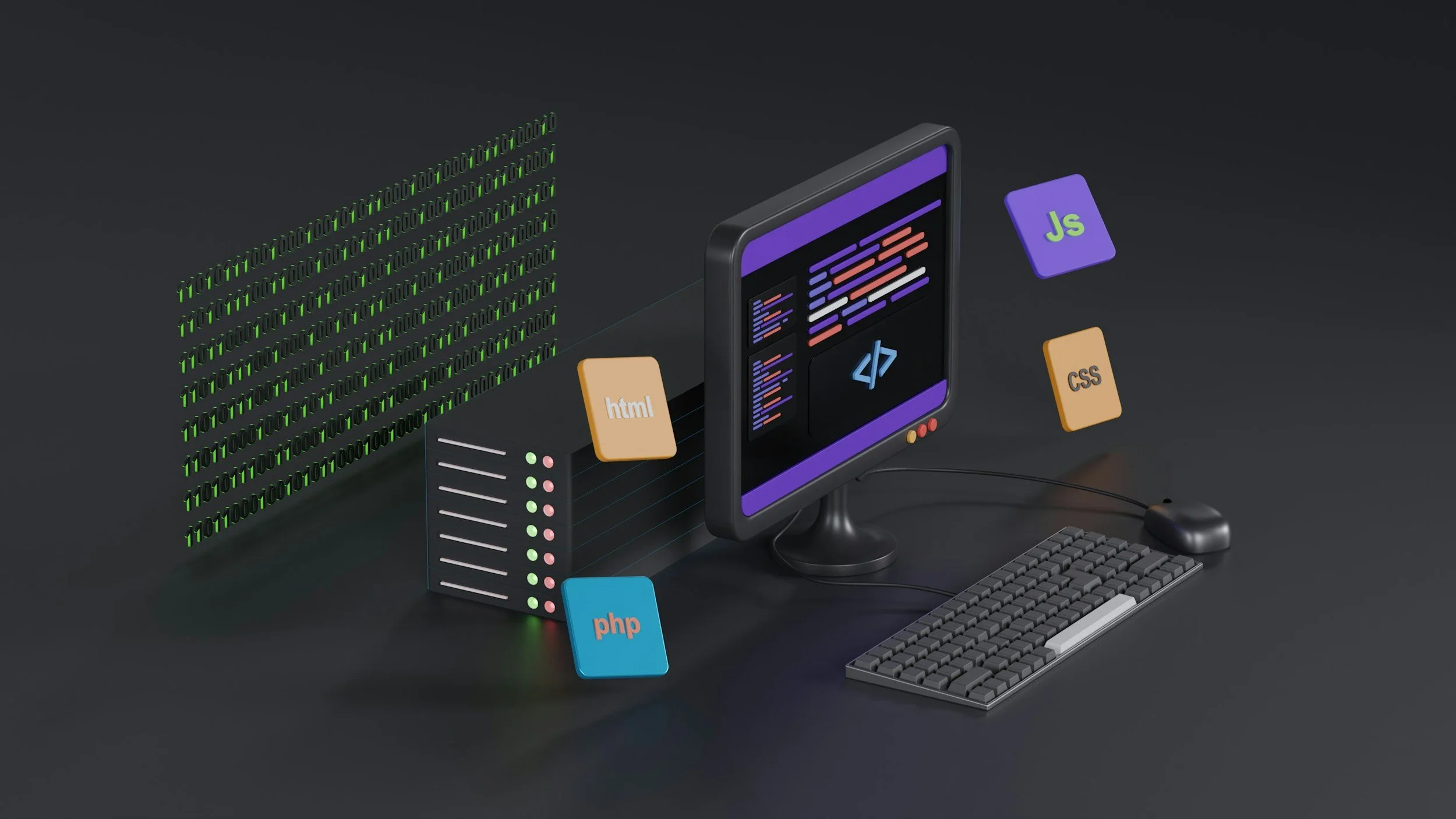
Retrieval-Augmented Generation (RAG) is an AI architecture that connects a large language model to a verified external database, so an e-learning platform can answer student questions from your actual syllabus, textbook, and policy files instead of the model's frozen training data. Put in plain English: RAG is an education software's fact-checker. For EdTech products, RAG in education is usually cheaper and safer than fine-tuning because knowledge updates require re-indexing a document, not retraining model weights — and student data stays in a permissioned database rather than being baked into the model. The three decisions that determine whether an educational RAG feature ships or stalls are: RAG vs. fine-tuning (cost and compliance), RAG vs. KAG (pedagogical consistency), and whether your retrieval layer survives real academic PDFs.

Staff Augmentation vs. Freelancers vs. In-House: The True Cost Comparison (2026 & Beyond)
Staff augmentation usually beats freelancers on true cost once management overhead is counted, even when the freelancer's quoted hourly rate looks cheaper. Direct hiring now takes 41 days on average, a 24% increase since 2021, while staff augmentation delivers a vetted engineer in under two weeks. Managed services shift full delivery ownership to a vendor under an SLA, making them the better fit for defined, ongoing functions rather than active product development.

Building AI Features Into EdTech Products: A Practical Guide for Founders and PMs
The AI in education market is growing from $9.58 billion in 2026 to a projected $136.79 billion by 2035 (Precedence Research, 2026). The EdTech founders winning that market aren't building generic AI chatbots — they're embedding AI into proprietary data systems that compound with every student interaction, creating an AI flywheel that generic API wrappers can never replicate.
The highest-ROI features available today are AI doubt resolution, rules-based adaptive learning, and automated content generation. Fully autonomous AI tutors remain unreliable at scale.
How to Choose the Right Software Outsourcing Model in 2026: Staff Augmentation, Dedicated Teams or Project-Based
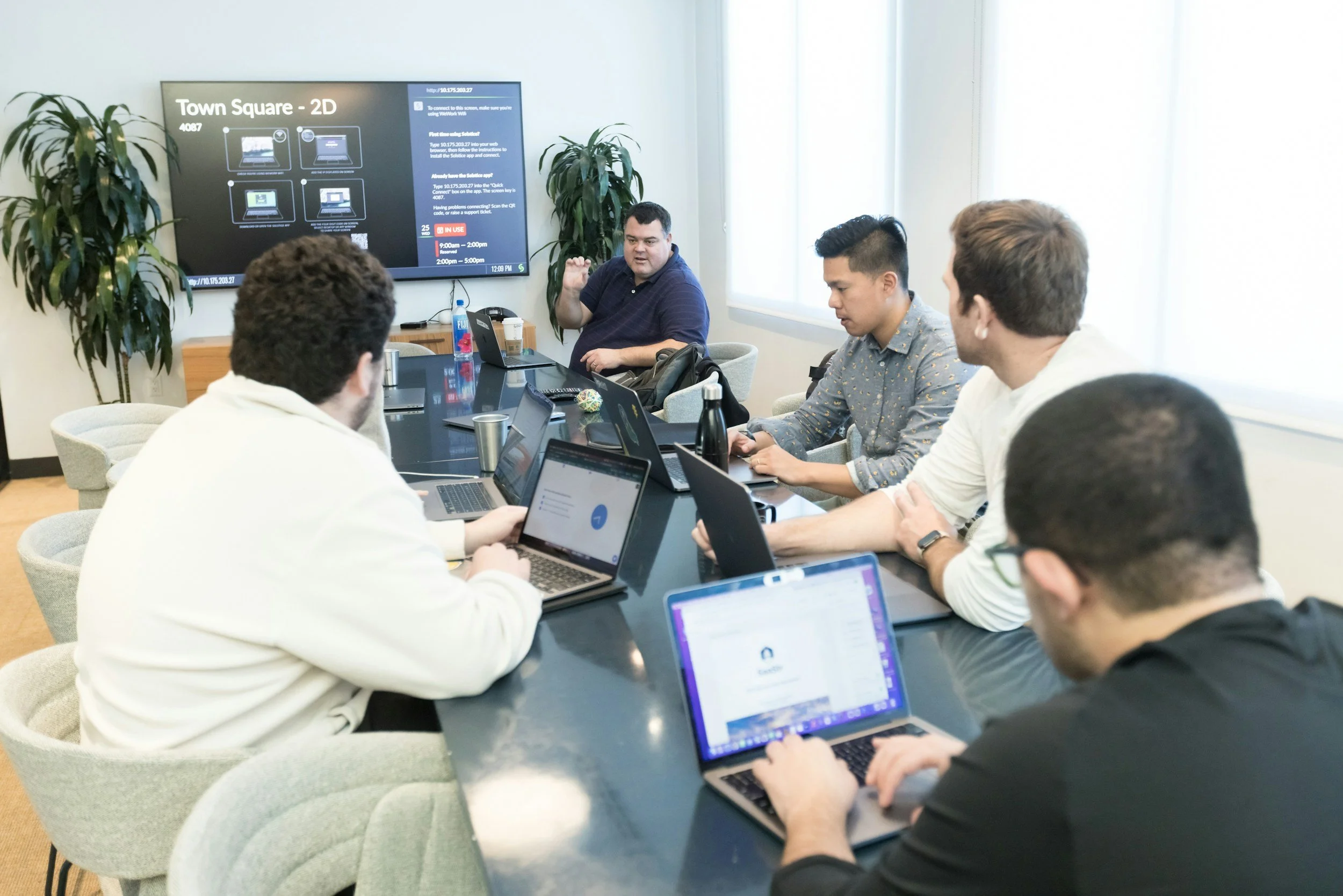
The three primary software outsourcing models — staff augmentation, dedicated teams, and project-based outsourcing — each make a different bet about where your team has strength and where it needs support. The global offshore software development market reached $178.6 billion in 2025 and is projected to hit $283 billion by 2031 (Business Research Insight), driven by acute talent shortages in markets like the U.S. and Australia, where the Australian Computer Society reports a gap of over 60,000 technology professionals. Choosing the wrong engagement model — not the wrong vendor — is the most common reason offshore outsourcing fails within the first six months.

EdTech Compliance 2026: FERPA, COPPA Enforcement, and AI Privacy Architecture
EdTech compliance 2026 comes down to three layers: the amended COPPA Rule (in full enforcement since April 22, 2026), FERPA's School Official Exception, and more than 130 state student data privacy laws. The amended COPPA Rule mandates separate verifiable parental consent for third-party disclosures, written data retention policies, and classifies biometric identifiers as personal information — with civil penalties of up to $53,088 per violation. Compliant platforms build privacy into their architecture using PII vaults, contextual role-based access control, and SOC 2+ audits mapped to education privacy criteria.

The 2026 Technical Blueprint for Code-Level FERPA Compliance in EdTech
K-12 EdTech vendors face disqualification from district procurement in 2026 if they cannot demonstrate code-level compliance controls — self-attestation and policy documents no longer pass. The six architectural requirements are: RAG-based AI pipelines that keep student PII out of LLM weights, Attribute-Based Access Control (ABAC) for legitimate educational interest enforcement, AES-256 encryption with TLS 1.3 and true cascading hard deletes, LTI 1.3 for integration-layer data minimization, and SOC 2 Type II audits mapped to NIST SP 800-53 control families. Educational institutions currently face 2,507 cyberattack attempts per week, and 1.8 million students have been breached since 2020 — making these controls a market-entry requirement, not a competitive differentiator.

What Is an LMS? A Plain-English Guide for EdTech Founders and Startups (2026)
A learning management system (LMS) is software that delivers, tracks, and manages educational or training content for learners at scale from a single platform. The global LMS market is projected to reach $37.09 billion in 2026, growing at an 18.1% CAGR — fueled by AI personalization features and enterprise compliance demands (Business Research Company, 2026). Most production EdTech stacks run SCORM for legacy content portability, cmi5 for new builds, and LTI 1.3 for third-party tool integration — rarely just one standard.

Custom LMS Development: Architecture Decisions That Determine Scale and Success
Custom LMS development succeeds or fails based on three architectural decisions made before the first sprint: whether to use monolithic or microservices architecture, how to isolate tenant data in multi-client environments, and whether compliance is built into the database schema or bolted on as an application feature. The global LMS market is projected to grow from $9.98 billion in 2023 to $63.12 billion by 2033 (Precedence Research, 2024), creating both enormous opportunity and fierce competition. This guide gives engineering leaders and technical founders a concrete framework for making each of those decisions correctly.

The Essential Eight Cybersecurity Framework for Software: Australia's Baseline Every Dev Team Must Know
The ACSC Essential Eight is a set of eight prioritised cybersecurity mitigation strategies developed by the Australian Signals Directorate (ASD), mandatory for non-corporate Commonwealth entities under the PSPF, and it is also commonly used as a security baseline in government and regulated supply-chain contexts. The framework was developed in response to common enterprise attack paths, many of which historically appeared in Windows and Microsoft Office environments. This guide maps all eight Essential Eight controls to their DevSecOps equivalents, with a maturity roadmap Australian software teams can act on without grinding development velocity to a halt.

APP 8 Compliance for EdTech SaaS: What Australian Schools and Vendors Need to Know
Australian Privacy Principle 8 (APP 8) makes your organization legally responsible for how overseas vendors handle student data — even if you have a signed contract. The 2024 Privacy Act reforms raised corporate penalties to $50 million, and the May 2026 Canvas LMS breach proved that static vendor agreements offer zero protection against supply-chain attacks. EdTech platforms operating in Australia must now treat APP 8 compliance as a continuous engineering requirement, not a checkbox on a procurement form.